

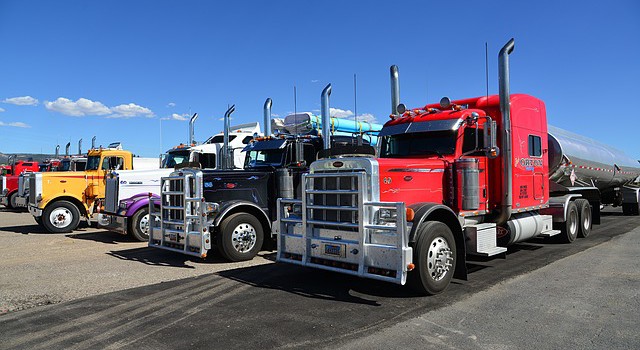
The business truck industry is a standout amongst the most various and profoundly controlled commercial ventures in the United States. This is on the grounds that business trucks can be utilized for such a wide mixed bag of uses and all will order distinctive truck protection scope sums. Trucking organizations pull standard or family unit merchandise, trash, building materials, refrigerated produce, dangerous materials, and fuel, to give some examples of the numerous ways business trucks are used.
This level of specialization has overflowed into the business truck protection industry. With such a large number of diverse ways that business trucks are utilized, some uncommon sorts of protection are required. Here’s a far reaching manual for the most run of the mill sorts of approaches.
Essential TRUCK LIABILITY INSURANCE
Essential truck obligation protection is a type of business truck protection that the United States Department of Transportation obliges every business vehicle to be secured under. It qualifies drivers for money related scope for wounds and harm costs if included in a mischance where a truck driver is at shortcoming.
Engine transporters regularly give this scope to their representatives. Indeed, even free proprietor/administrators are qualified for scope while under contract. Shockingly for them, they may require extra scope to secure their own benefits and for when they are off the employment.
PHYSICAL DAMAGE INSURANCE
An autonomous trucker’s most significant resource is his or her truck. It is absolutely critical that that truck be all around kept up and that it can be repaired if something terrible happens.
Physical harm protection will take care of the expense of harm in a mishap regardless of whether the truck driver is at issue.
NON-TRUCKING LIABILITY INSURANCE
Since risk scope is needed by law at all times a truck is out and about and on the grounds that engine transporters stop to give scope to their autonomously contracted drivers once the occupation is done, extra obligation protection must be acquired. Thankfully, non-trucking risk protection gives this scope without constraining drivers to pay when they are generally secured.
Extensive TRUCK INSURANCE
Extensive truck protection is kind of a continuation of physical harm protection. Think about a thorough scope strategy as including essential truck risk, physical harm and other protection provisos that anticipate against fiascos like flame, burglary or vandalism. On the off chance that you need aggregate scope you could call your own benefits, extensive protection is typically the most ideal approach to go.
TRAILER INSURANCE
It’s less regular for free proprietor/administrators to really own and work with their own particular trailers-normally, trailers are either claimed by the trucking organization or genuine shippers, so trailer protection typically turns into a product that is better included inside of an engine bearer protection arrangement. Still, its vital to separate trailer protection so all truckers are mindful that trailers commonly are excluded in fundamental truck protection without particular extra procurements.
Load INSURANCE
The same is valid for load protection regularly its something that is more useful for engine transporters or armadas to convey as cover scope for their business. Free truckers aren’t normally going to profit by freight protection since they will as a rule fall under the truck protection of their contracting armadas if any issues with load harm emerge.
Engine CARRIER INSURANCE
Engine bearer protection for the most part consolidates the same strategies for general trucks, however engine transporters should cover every one of the vehicles they utilize. Packaging general obligation arrangements, truck, load and trailer protection, and approaches like laborers pay inside of one organization can spare trucking organizations or engine bearers a critical yearly premium much of the time.